Our craft
Why your dog looks like your dog
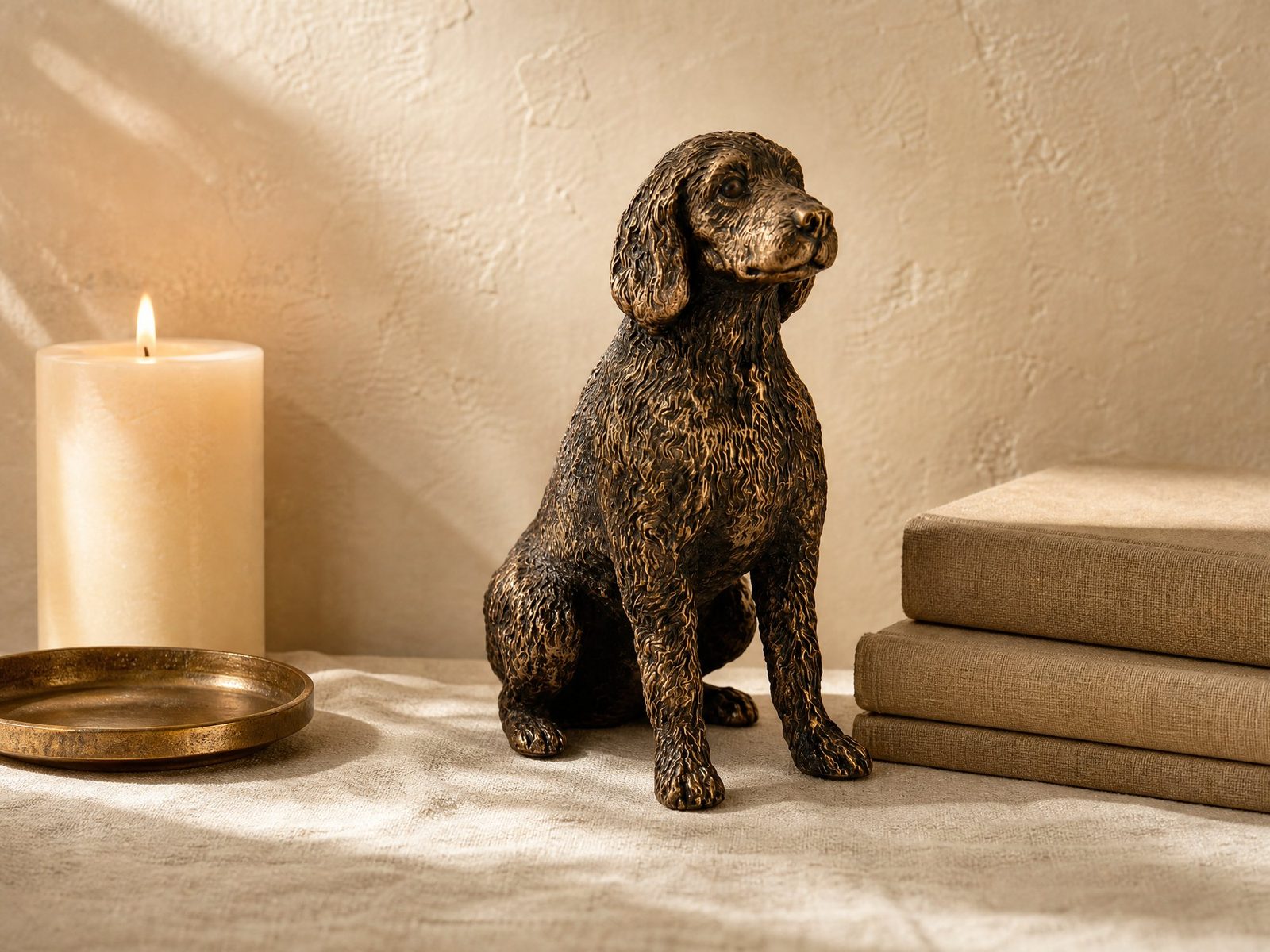
Most dog figurines are one vague shape sold as every breed. Ours are made one breed at a time, and this is how that actually happens.
The process
From your breed to your shelf
Every stage below exists for one reason: so an owner recognises their own dog in it. A single breed passes through roughly a dozen pairs of hands before it reaches you.
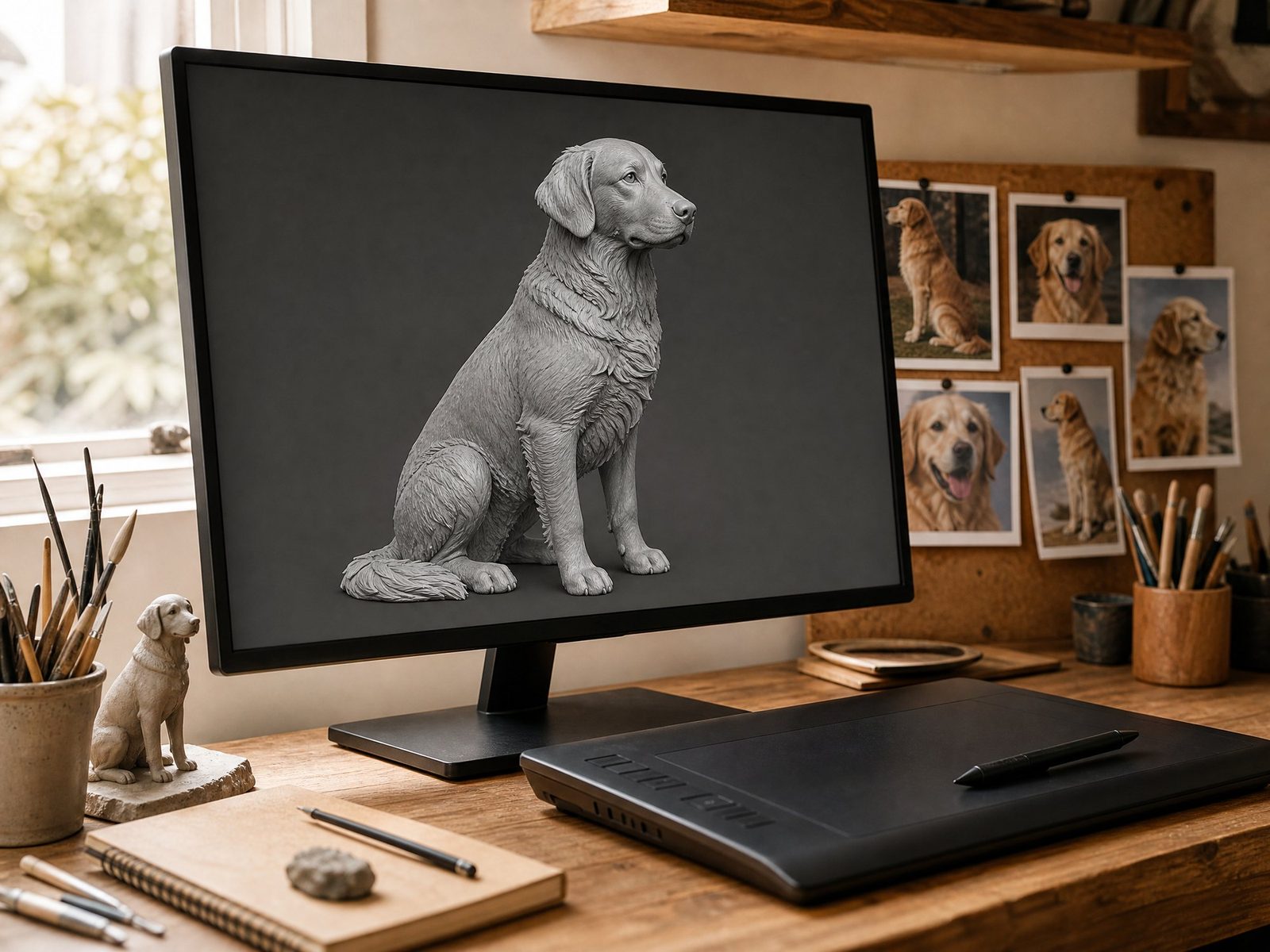
We sculpt the breed
This is where the likeness is won or lost. We work from the written breed standard and check constantly against photographs of well-built dogs: the line of the back, the muzzle, the ear set, the tail, the depth of the chest. Roughly forty hours per breed before we are happy.
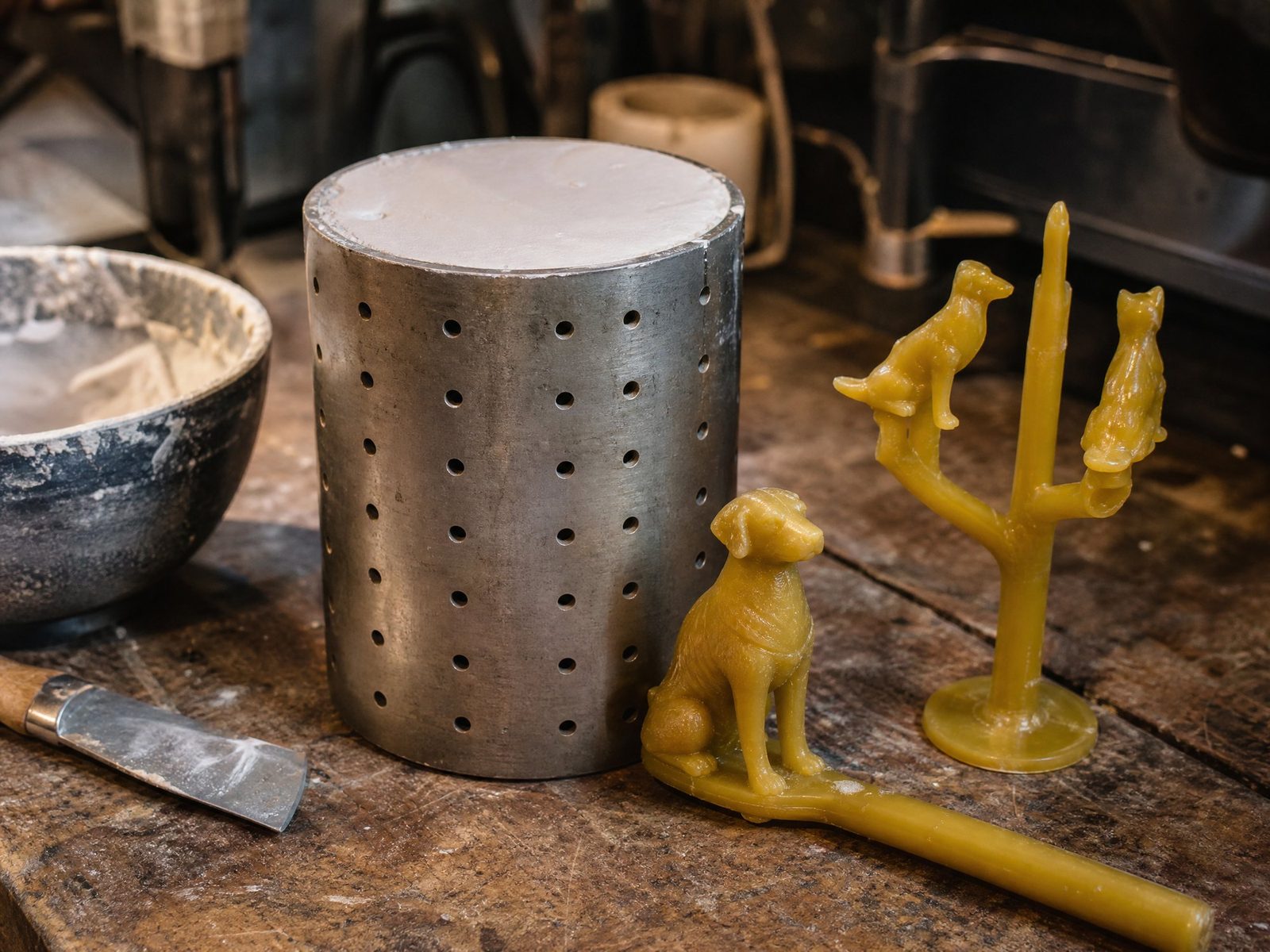
Set in plaster
The finished model is printed in wax and sealed inside a perforated flask packed with plaster. The plaster sets hard around every hair and whisker, so nothing gets softened on the way into metal.
Cast in bronze
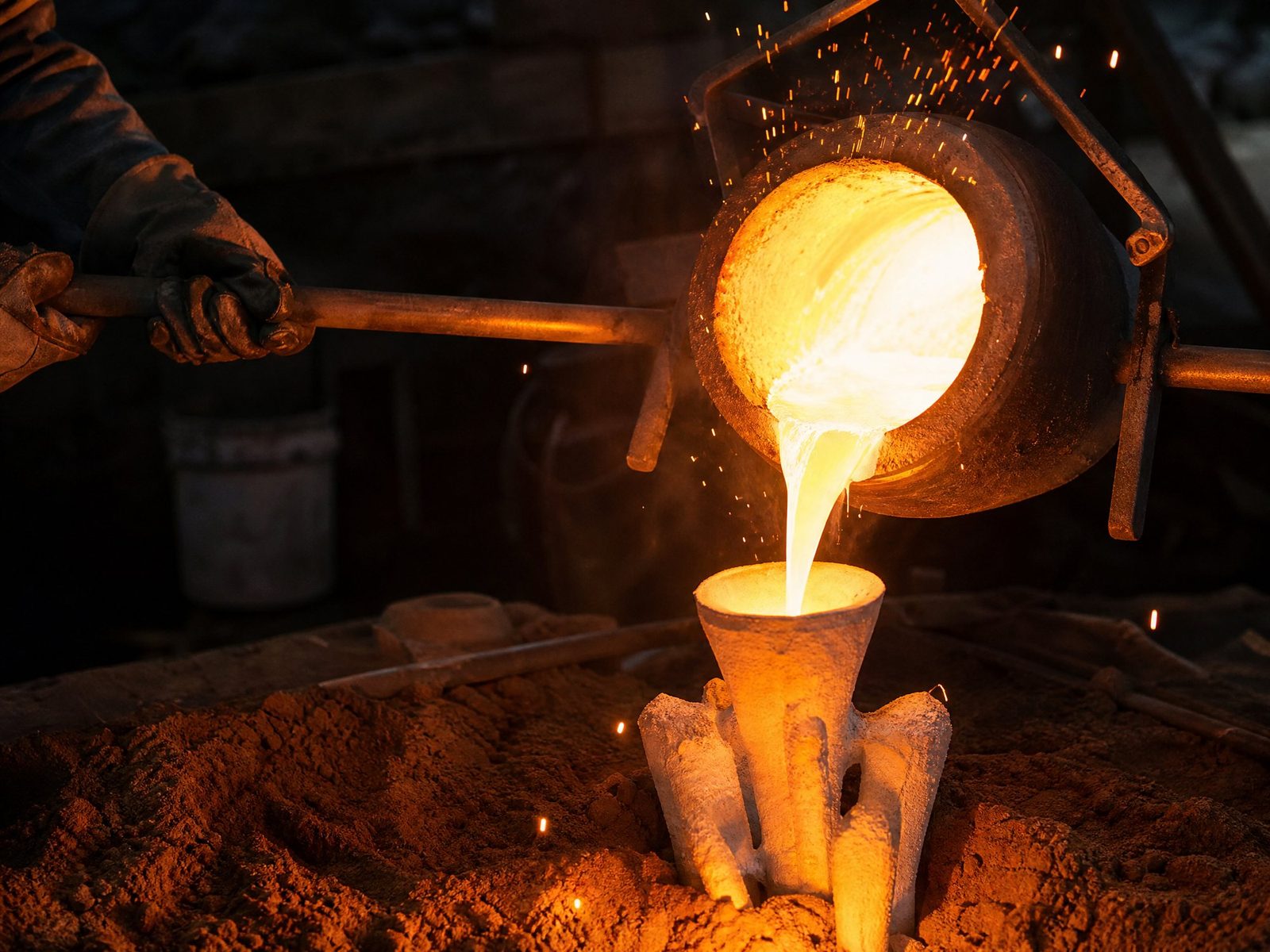
The flask is fired until the wax burns away completely, leaving a hollow shape of your dog. Molten bronze is poured into it, then the plaster is broken away and the casting is cut free by hand. The mould is used once, which is why the detail stays sharp.
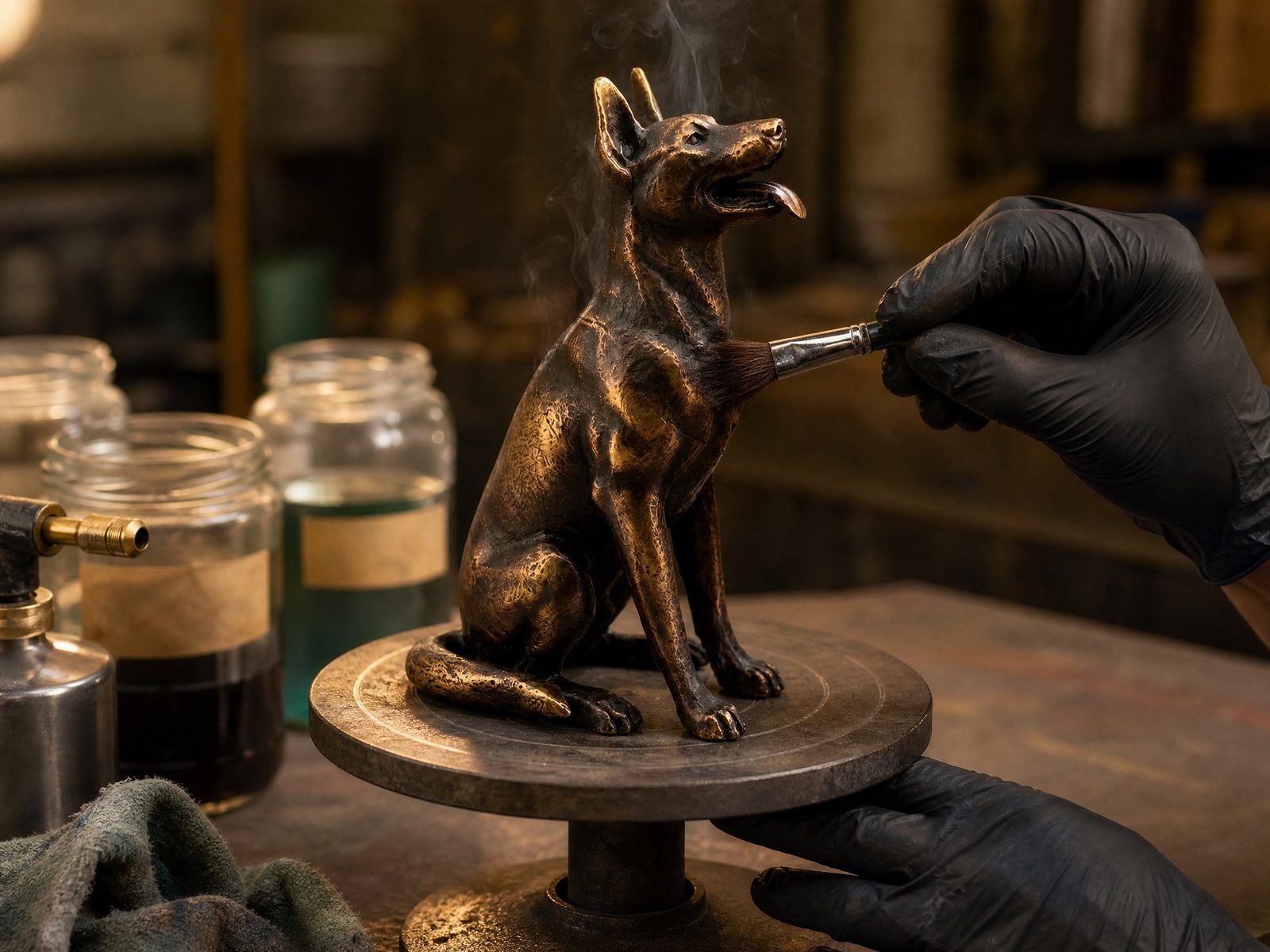
Finished by hand
Every casting is cleaned up by hand until the coat texture reads the way it should. After that we leave the bronze alone and let it darken on its own, the way bronze has always done.
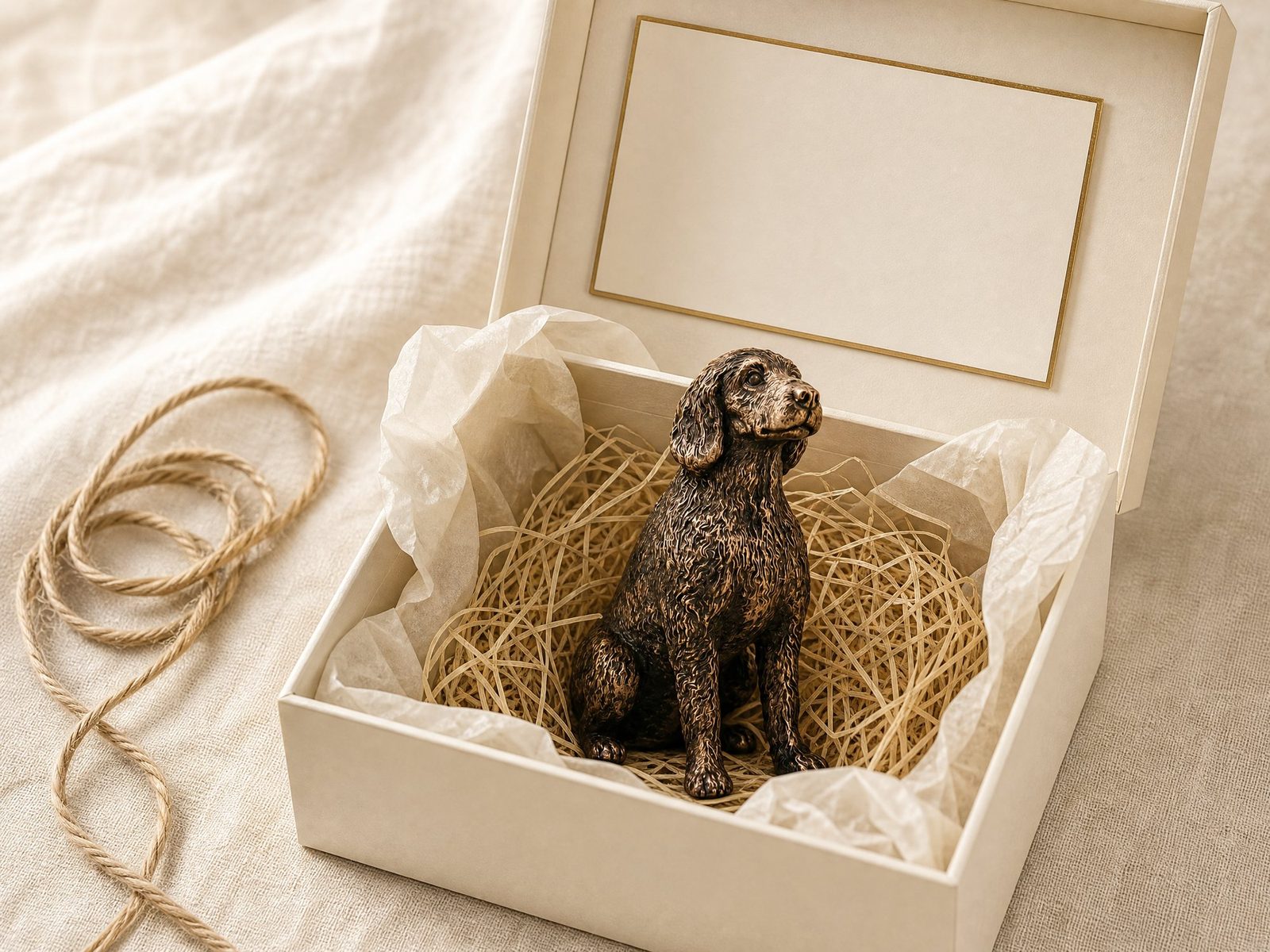
Boxed for you
Wrapped in tissue and packed into a rigid gift box with a care cloth and a numbered card, so it can be handed straight over without wrapping.
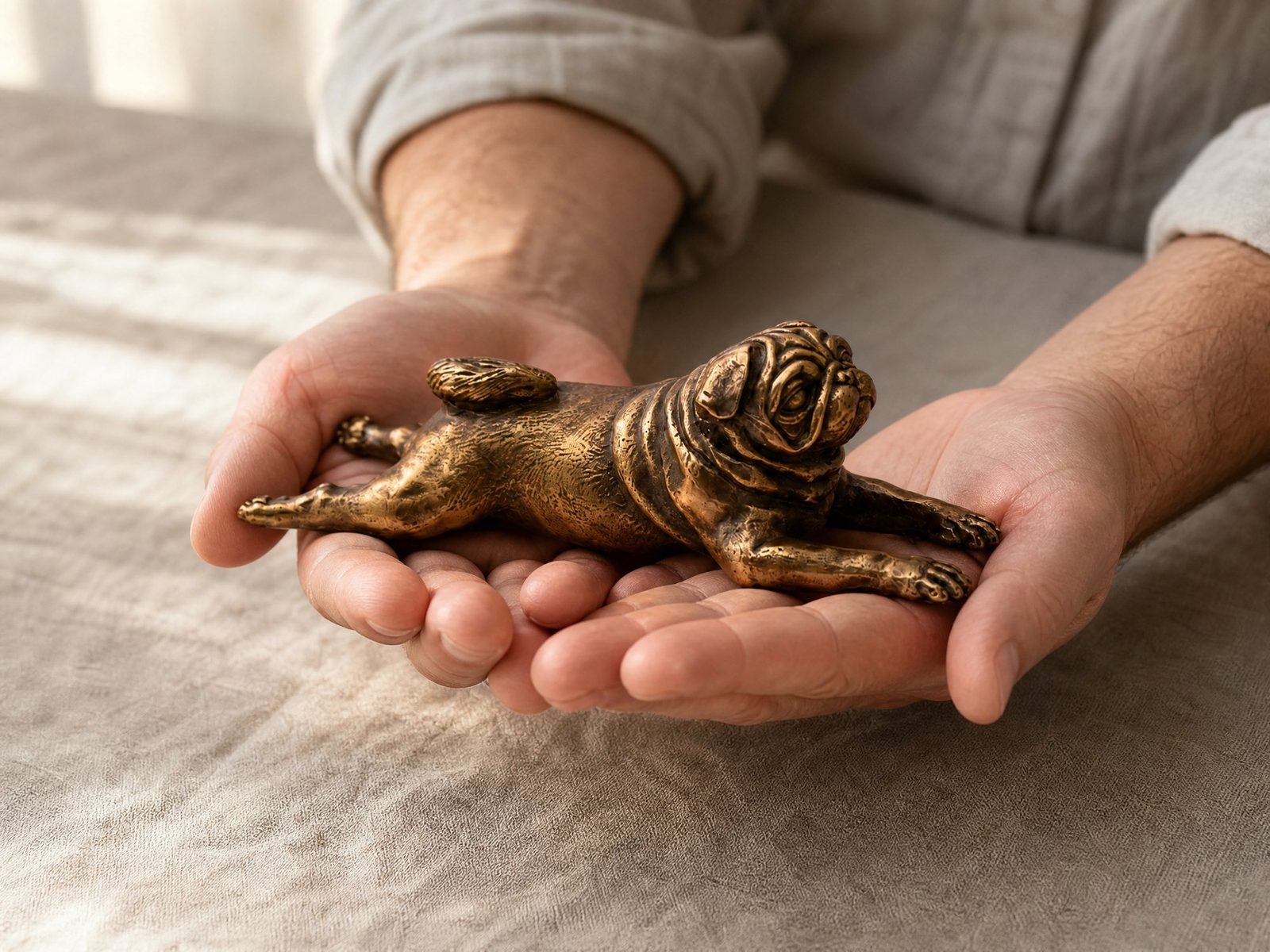
Materials
Three things owners ask about the bronze
Bronze is an old material with old habits, and the main one is that it never quite stops changing. Here is what that means for something sitting on your shelf.
- 01 Why not resin Pick up a resin dog and it feels like a toy. That is the whole reason. Bronze carries weight and holds fine detail at small sizes, so the coat and the expression survive instead of turning into a smooth blob.
- 02 Why yours will not match the photo exactly The colour comes from the metal reacting with the air, and that never happens at exactly the same rate twice. Your dog will sit at a slightly different point than the one photographed. We think that is better than a factory finish.
- 03 Why it keeps changing The spot where you pick it up stays brighter while everywhere else slowly darkens. Most owners end up with a worn patch exactly where their fingers land, which is a nice record of how often it gets handled.
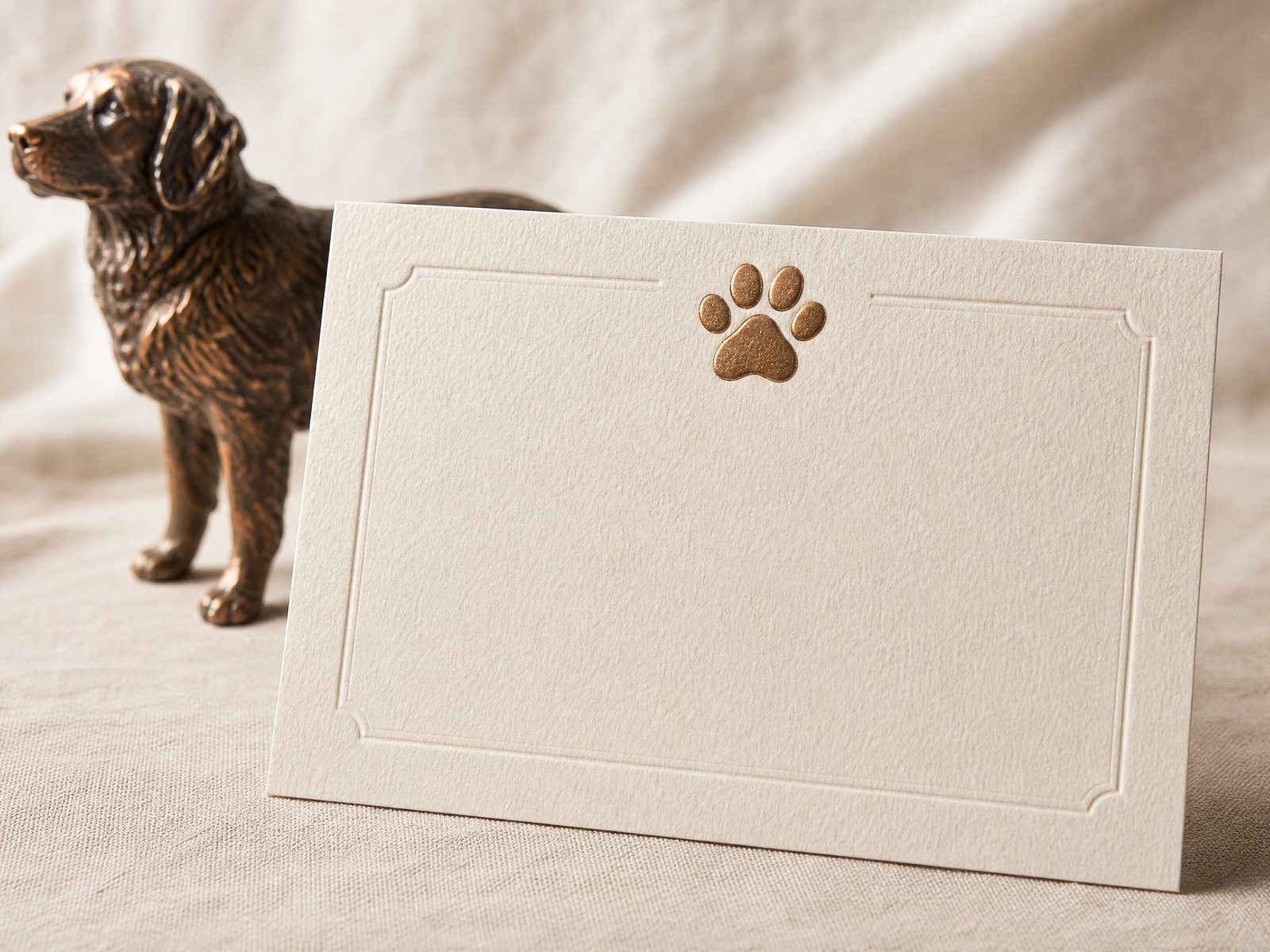
What comes in the box
A certificate card, a cloth, and no plastic
Every piece ships with a numbered certificate card recording the breed, the size, the finish, and the batch it was cast in. There is a dry microfibre cloth for dusting, tissue wrap, and a rigid gift box that survives being posted.
If it is a gift, add a note at checkout. We write it by hand and leave prices off the packing slip.
Dust with the dry cloth included in your box. For fur texture around the ears and paws, a clean soft-bristled brush works well. That is genuinely all it needs.
Household sprays, alcohol, vinegar, and metal polish. Polish in particular will cut straight through the patina the bronze has spent months developing, and it takes years to come back. Keep it out of a steamy bathroom too, since standing moisture will spot the surface unevenly.
Mostly, yes. A light coat of wax once a year, buffed with a soft cloth, slows it down a lot. Most owners do not bother, and we would gently encourage you not to either. The darkening is the piece settling into your home.
The metal itself is harmless. The real caution is size rather than material: Petite is small enough to be a genuine choking hazard, so keep it well out of reach of small children and of any dog inclined to pick things up and carry them off.